



SFP Module

We are always at your service when you need
The mission of Fiberidea is to provide best optical transceivers and accessories at cost-effective rates for more reliable and efficient data networks.
We provide a whole range of optical transceivers including QSFP-DD, QSFP56, QSFP28, QSFP+, SFP+, SFP etc.
Our challenge is to provide the best fiber transceivers and parts: easy to install and use, reliable and of course, affordable.
Our commitment is to provide affordable solutions for everyone.
Any of your inquiries will be answered in 1 business day.
Active Clients
years experience
Countries
expert Engineers




R&D Structure
It drives the R&D process by customer needs
pplication Needs
1
>>
R&D Team Meeting
2
>>
Making Plan
3
>>
New Project Confirmed
4
>>
Draw up Design Plan
5
>>
Design Plan Review
6
Development Schedule
7
>>
Product Design
8
>>
Sample Production
9
>>
Sample Tests
10
>>
Trial Production
11
>>
Standardization
12
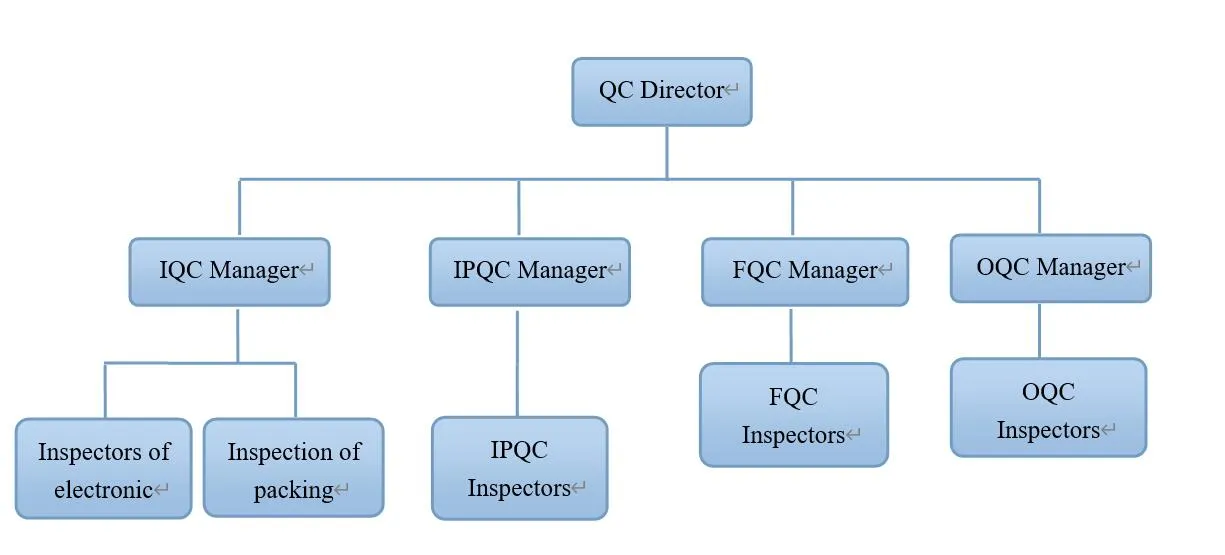
QC Department Organizational Structure
fAQ
Lorem ipsum dolor sit amet consectetur adipisicing elit.
Q:1.Why use SFP instead of Ethernet?
A:SFP (Small Form-Factor Pluggable) and Ethernet are both popular networking technologies used to transmit data between devices. While Ethernet is a widely used industry standard, SFP is quickly becoming the preferred option for certain applications.Because it is Flexibility,Longer Distance Capabilities, Improved Signal Quality,Improved Security and Cost-Effective.
Q:2.Is SFP only for fiber?
A:SFP (Small Form-factor Pluggable) is a compact and hot-pluggable transceiver used in networking equipment to connect two devices together. It is widely used in routers, switches, and network interface cards to support various communication protocols such as Gigabit Ethernet, Fiber Channel, and SONET/SDH.
While SFP transceivers were initially designed to work with fiber optic cables, advances in technology have led to the development of copper-based SFP modules. These modules use electrical signals to carry data over twisted-pair copper cables and can transmit data at a lower distance than fiber optic cables. Copper-based SFP modules are cost-effective solutions for short-distance networking connections, as they eliminate the need to purchase separate equipment for copper-based connections.
Q:3.Which is better fiber optic cable or SFP?
A:n terms of security, using fiber optic SFP modules is superior to RJ45 SFP modules. This is because optical fiber does not conduct electricity, which makes it resistant to lightning.
Q:4.What type of network can connect to SFP?
A:SFP transceivers exist supporting synchronous optical networking (SONET), Gigabit Ethernet, Fibre Channel, PON, and other communications standards.
SFPs can support various types of network connections, depending on the type of SFP module used.
Q:5.What are SFP Modules?
A:SFP stands for small form-factor pluggable, also known as mini-gbic (gigabit interface converter).A Small Form-factor Pluggable (SFP) module is a compact and flexible transceiver used in networking that can be easily inserted into a switch, router, or other network device. SFPs can support various types of network connections, depending on the type of SFP module used.
Q:6.Can you aggregate multiple SFP ports?
A:Yes, it is possible to aggregate multiple SFP ports into a single logical connection. This is known as link aggregation or bonding and allows for increased bandwidth and redundancy.However, that before connecting the SFP ports, make sure the switch is configured for link aggregation. Otherwise, a network loop will occur.